The dos and don’ts of an old money kitchen
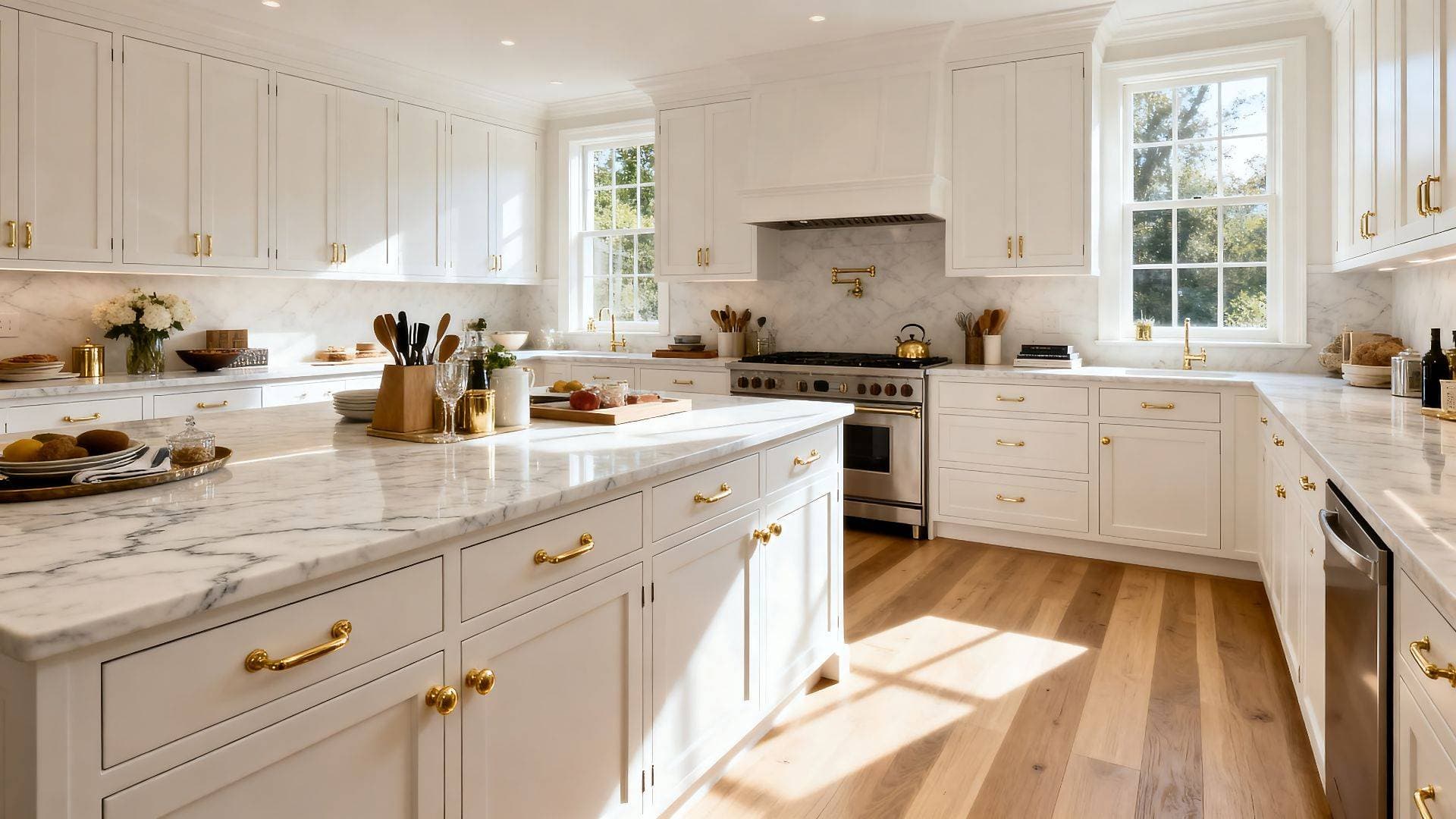
If you follow interior fashions, especially on social media, you’ll know there are two aesthetic styles vying for attention: old money and new money. And they couldn’t be more different.
New money involves the very latest of everything, highly-curated rooms, gleaming surfaces and cutting edge technology. Old money, however, is more subtle and ingrained in tradition, with an emphasis on classic styles, heirlooms and an investment in solid materials.
Old money is definitely having its day, with more people drawn to its enduring appeal and quiet luxury. The good news? Replacing a kitchen in a new property is the ideal time to incorporate old money aspects. These dos and don’ts will help guide you.
Do: invest in solid, natural materials
Old money recognises that quality, natural materials look good and last. If you’re working to a budget, focus on one or two permanent components to maximise your spend. Flagstone floor tiles will last a lifetime and solid wood cabinetry can be sanded back and repainted.
Don’t: buy flimsy items
While tempting to be swayed by price, take time to read the small print. Manufacturers will keep costs down by using melamine-faced chipboard and laminated or foil-wrapped MDF. These can easily damage and ruin the old money look.
Do: have restraint when displaying items
While brands matter in an old money kitchen, less is more. The odd Le Creuset casserole dish left out or a vintage KitchenAid mixer in the corner is just about enough. Equally important as brands are antiques. An artful wall display of copper jelly moulds or a glass cake stand sourced at a French brocante wouldn’t look out of place.
Don’t: crowd your kitchen with wealth signals
Buying every item in a collection and displaying them all at the same time is very new money. Old money is understated and less showy. Items are either inherited or bought for their durability and left out because they’re used daily. Buy carefully at auctions, charity shops and boot fairs for pieces that are well made and much loved.
Do: be discreet about storage
The old money kitchen isn’t as chaotic as its country cottage cousin. There’s a more orderly rhythm and less clutter. Therefore, creating smart storage is a must. At the most iconic end of the old money spectrum are larders and prep kitchens. More accessible to everyday homeowners are glass-fronted display cabinets and open shelves.
Don’t: get carried away with gadgets
Old money worktops aren’t stuffed with small appliances, especially bulky items made from black plastic. If you’re having a kitchen fitted, include a breakfast pantry with plug sockets. Toasters, air fryers and waffle makers can be placed inside and hidden away by closing the doors. If any appliance is left out, a small coffee machine is probably the acceptable concession.
Do: choose colours carefully
Old money kitchen cabinets are usually made of wood, then finished in a hardwearing paint. Neutrals bring the soft elegance that’s needed, especially heritage colours. Try Farrow & Ball’s Archive Shades or Paint & Paper Library’s Original Colours collection. Colour also applies to metal finishes. Antique brass and brushed gold are preferable to shiny steel and chrome.
Don’t: go mad with colour and pattern
Multi-coloured spots, deck chair stripes and ditzy florals are not features of the old money aesthetic. Instead, understated calm is achieved using muted colours and quality plain fabrics, such as linen.
If you’re inspired to move home and create the kitchen of your dreams, get in touch. We can provide an up-to-date valuation for your home and match you with properties for sale.
Share this article
More Articles
Sign up for our newsletter
Subscribe to receive the latest property market information to your inbox, full of market knowledge and tips for your home.
You may unsubscribe at any time. See our Privacy Policy.