Decorating your rental property: here’s where you stand
Renting a property and putting your personal stamp on the place have been poles apart for a long time but there has been a shift in attitudes over the last few years.
Change first started in Wales
The Renting Homes (Wales) Act 2016 was finally implemented in 2022. The new occupation contracts contained a rule that landlords must consider minor decoration requests fairly, with tenants having the right to challenge what they feel are unfounded refusals at a tribunal.
It’s worth noting that tenants in Wales still have to seek a landlord’s permission if they want to make more involved alterations, such as changing fixtures and fittings in the property, erecting an aerial or satellite dish, or building a shed or garden room.
Permission-free changes coming to Scotland
At present, most Private Residential Tenancy agreements in Scotland require the tenant to seek approval from their landlord before they undertake works, such as repainting or hanging heavy items. Change, however, is imminent.
The Housing (Scotland) Act 2025 gained Royal Assent in November 2025. This legislation will strengthen a tenant’s rights to decorate their home. Once implemented, changes to a rental will be grouped together into two categories.
Minor category 1 changes will include putting up pictures and posters. A tenant will be able to carry out this sort of home personalisation without permission from the landlord.
Making ‘category 2’ - such as painting walls or putting up shelves - will need consent but the landlord won’t be able to unreasonably refuse the request. Category 2 changes will come with a caveat – they’ll only be allowed once the tenant has lived in the property for six months.
Majority of English landlords open to decorating
England is the only nation in Great Britain to not boost the rights of tenants who want to decorate. Instead, it is the landlord’s discretion. Tenancy agreements usually outline what decorating is or isn’t allowed, which gives guidance from day one. In some tenancies, it’s simply a case of asking for the landlord’s permission to decorate.
Attitudes among landlords towards decorating appear to be softening. Instead of outright refusal, a 2025 study by OSB Group found 73% of landlords welcome tenant customisation. Additionally, 34% of landlords questioned collaborate with tenants on decoration plans, while 20% participate in selecting tradespeople.
The must-consider aspects before you decorate
-
Read your contract to establish if there are written rules about decorating. For example, there may be a ban on using Blu Tack and drawing pins.
-
Check your contract for advice on filling in holes in walls at the end of the tenancy.
-
If your landlord gives your permission to redecorate, agree in writing who is paying for the materials and the labour
-
If permission is granted to repaint, ask your landlord to agree to your colour choices.
-
If your redecoration plans will permanently change the property’s cosmetics, find out if the landlord will want the rooms returned to their original condition before you leave.
9 non-permanent ways to personalise your rental
If your landlord has legitimate reasons to refuse your decorating request, there are other ways to personalise your home. These include:
-
Propping up photos and pictures on mantelpieces and worktops
-
Adding colour with rugs, cushions, throws, lampshades and bedlinen
-
Using houseplants and fresh flowers for vibrancy
-
Opting for bold furniture or repainting your own items
-
Using MDF radiator covers painted in your choice of colour
-
Clashing patterns, colours and textures to create focal points
-
Buying a bed with a fabric headboard, which can be recovered
-
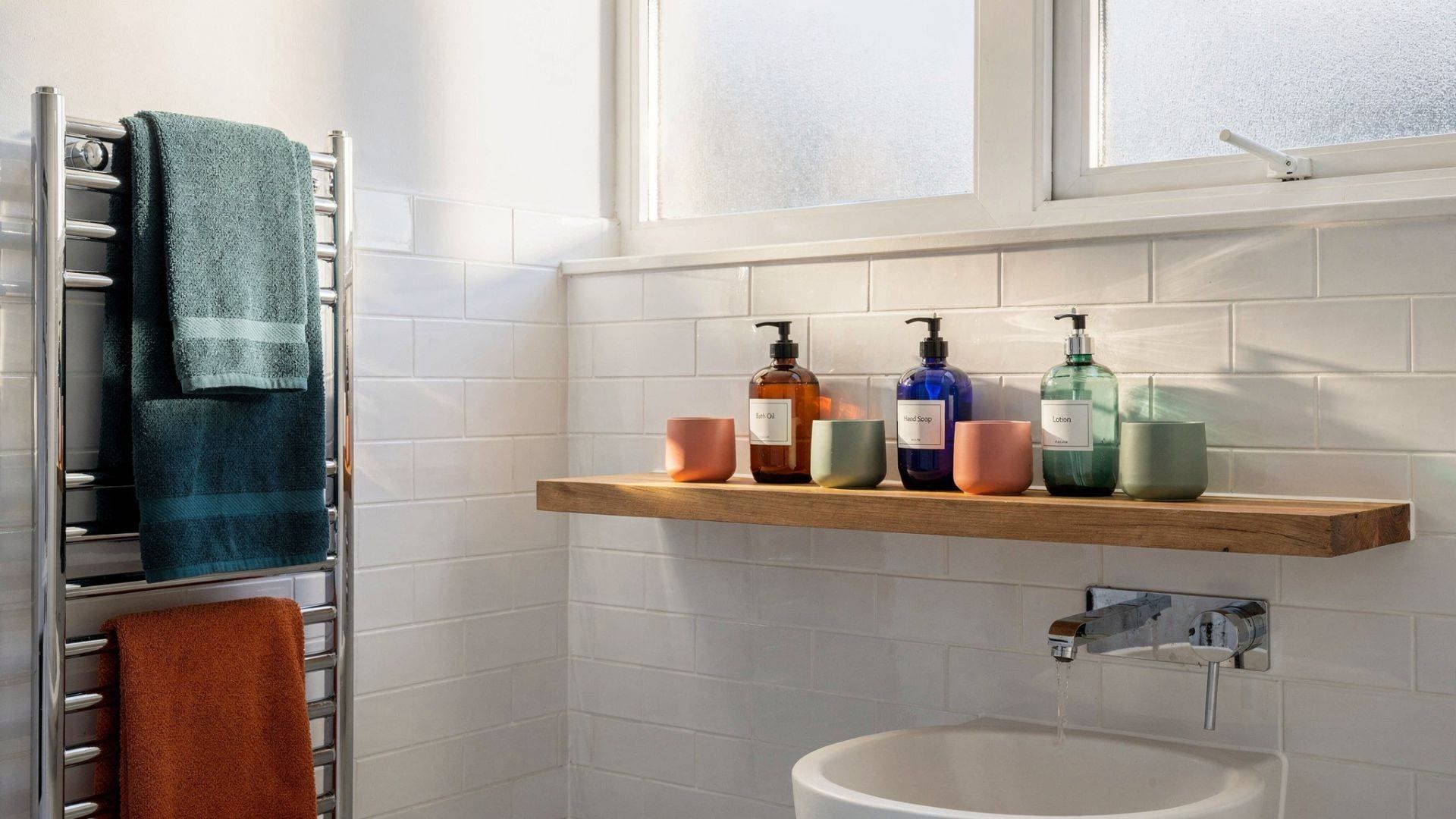
Displaying colourful toiletries and towels in an otherwise white bathroom
-
Using tension rod curtain poles to hang textile panels
If you’re looking for a rental property or would like general advice about the local lettings market, please get in touch.
Share this article
More Articles


Sign up for our newsletter
Subscribe to receive the latest property market information to your inbox, full of market knowledge and tips for your home.
You may unsubscribe at any time. See our Privacy Policy.